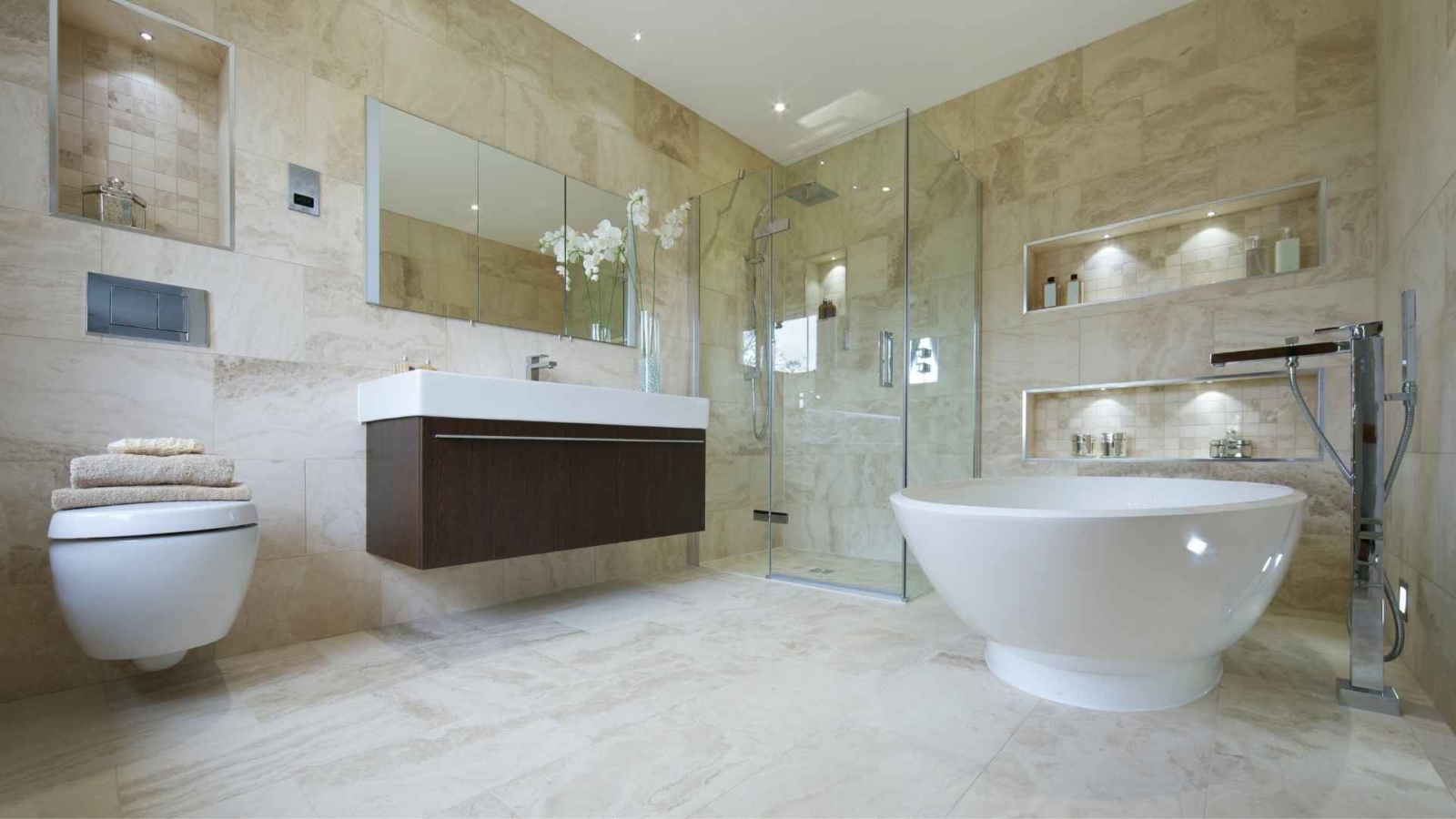
Marble surfaces, renowned for their timeless beauty and elegance, are popular for countertops, floors, and other architectural features. However, they can lose their luster over time due to daily wear, stains, and scratches. Understanding the marble refinishing process is essential for homeowners and businesses aiming to restore and maintain the pristine condition of their marble installations.
What Is Marble Refinishing?
Marble refinishing involves restoring the surface of marble to its original or desired appearance without replacing the stone. This process addresses issues like dullness, scratches, etching, and stains that accumulate over time. Unlike complete replacement, refinishing is cost-effective and preserves the integrity of the original material.
Common Issues with Marble Surfaces
Before delving into the refinishing process, it’s important to recognize common problems that affect marble surfaces:
Etching: Caused by acidic substances like citrus juices, vinegar, or wine, etching appears as dull spots on the marble surface.
Scratches: Heavy foot traffic, dragging furniture, or abrasive particles can lead to visible scratches.
Stains: Marble’s porous nature makes it susceptible to staining from oils, wines, and other pigmented liquids.
Dullness: Accumulation of dirt and regular use can cause the surface to lose its shine.
Removing Stains from Marble Surfaces
Marble refinishing also tackles the task of removing stains from marble surfaces, which can detract from the overall aesthetic appeal. This integral step involves targeted treatments to eliminate various types of stains, restoring the marble’s pristine appearance. By understanding the techniques and products involved in stain removal, homeowners and businesses can effectively maintain the beauty of their marble installations.
Inspiration and Learning: Stains can pose challenges on stone countertops despite our efforts to prevent them. ThisYouTubevideo demonstrates an efficient method for removing stains from natural stone counters such as granite, marble, and limestone using common household ingredients. Prior to application, it is advisable to conduct a test in an inconspicuous area and refer to any installation guidelines provided by the manufacturer.
The Marble Refinishing Process
Restoring marble involves several meticulous steps to ensure the surface regains its original beauty:
Assessment A thorough evaluation of the marble surface is conducted to identify the extent of damage and determine the appropriate restoration techniques.
Cleaning The surface is cleaned using pH-neutral cleaners specifically designed for marble. This step removes dirt, grime, and any residues that could interfere with the refinishing process.
Grinding (Lippage Removal) Uneven tiles or slabs, known as lippage, are leveled using grinding techniques. This process ensures a flat and uniform surface.
Honing Honing involves using abrasive pads to smooth the marble surface, removing scratches and etch marks. This step results in a matte or satin finish, depending on the desired outcome.
Polishing For those seeking a glossy finish, polishing is performed using fine abrasives and polishing compounds. This step enhances the marble’s natural shine and color.
Sealing Applying a high-quality sealant protects the marble from future stains and etching by creating a barrier on the surface. Regular sealing is recommended to maintain the stone’s integrity.
DIY vs. Professional Refinishing
While DIY marble refinishing kits are available, they often lack the efficacy of professional services. Professionals possess the expertise, specialized equipment, and high-quality products necessary to achieve optimal results. Attempting to refinish marble without proper knowledge can lead to further damage, making professional intervention more cost-effective in the long run.
Maintenance Tips Post-Refinishing
To prolong the effects of marble refinishing and keep surfaces looking pristine:
Immediate Spill Cleanup: Wipe up spills promptly to prevent staining and etching.
Use Coasters and Mats: Protect surfaces from acidic substances and heavy objects.
Regular Cleaning: Use pH-neutral cleaners and avoid abrasive materials.
Periodic Sealing: Reapply sealant as recommended to maintain protection.
Conclusion
Marble refinishing is a vital process for restoring the elegance and functionality of marble surfaces. By understanding the steps involved and recognizing the importance of professional services, homeowners and businesses can ensure their marble installations remain a testament to timeless beauty.
For those seeking expert marble refinishing services, Cleaner Image Marble & Surface Restoration offers comprehensive solutions tailored to your needs. With over 30 years of experience, our team is dedicated to preserving the natural beauty of your stone surfaces.