


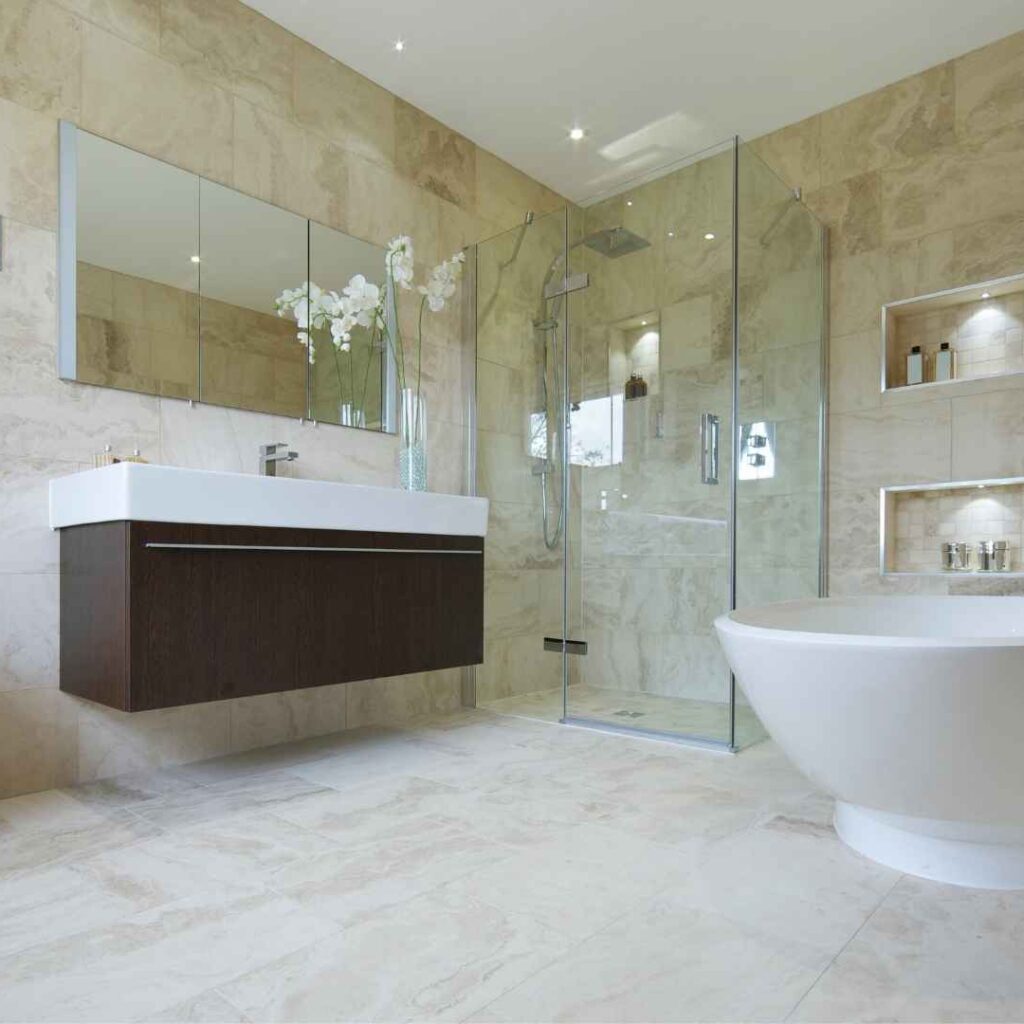
Marble is one of the most elegant and timeless natural stones used in flooring, countertops, and walls. While its luxurious appearance is undeniable, the finish you choose can greatly impact both the look and performance of the surface. Two of the most common finishes are honed and polished marble—but what’s the real difference between them? And how do you know which one suits your needs?
In this blog, we’ll walk you through the difference between marble honing and marble polishing, how each process works, and what to expect in terms of maintenance, appearance, and durability.
What Is Honed Marble?
Honed marble is marble that has been ground and smoothed to create a matte or satin finish rather than a shiny one. The honing process removes a very thin top layer of the stone using fine abrasives, similar to sanding marble but with precise control and professional-grade equipment.
Benefits of Honed Marble:
- Slip-resistant: Great for bathrooms, kitchens, and high-traffic areas.
- Conceals scratches: More forgiving when it comes to minor wear and imperfections.
- Soft, natural look: Offers a more organic and contemporary appearance.
If you’re asking, “what is honed marble good for?”—the answer is: anywhere you want beauty with practicality.
What Is Polished Marble?
Polished marble is marble that has been buffed using progressively finer abrasives and polishing compounds to achieve a high-gloss, reflective finish. This finish highlights the color, veining, and natural patterns of the stone.
Benefits of Polished Marble:
- Elegant, high-shine finish: Ideal for formal areas like foyers or vanities.
- Resists moisture and stains better: When sealed, polished marble provides a natural barrier against spills.
- Enhances color vibrancy: The shine deepens and brightens the marble’s tones.
Honed vs Polished Marble: What’s the Difference?
| Feature | Honed Marble | Polished Marble |
|---|---|---|
| Appearance | Matte, smooth | Glossy, reflective |
| Slip Resistance | Higher | Lower (especially when wet) |
| Scratch Visibility | Lower | Higher |
| Stain Resistance | Lower (must be sealed) | Higher (when properly sealed) |
| Best Uses | Floors, showers, busy areas | Countertops, walls, formal spaces |
Maintenance for Honed and Polished Marble
Regardless of the finish, polishing and sealing marble floors (or countertops) is essential to protect the surface from damage. At Cleaner Image Marble, we provide:
- Marble honing to smooth and refresh dull, worn surfaces
- Professional marble polishing for brilliant, mirror-like results
- High-quality sealing for long-lasting protection
Both finishes require pH-neutral cleaners and periodic resealing to preserve their appearance and durability.
When Should You Consider Sanding Marble?
Sanding is sometimes used in extreme cases where the marble has deep scratches, etches, or lippage (uneven tiles). This is more intensive than honing and often part of a restoration process rather than routine maintenance.
It’s best handled by professionals using industrial-grade equipment, as improper sanding can damage your stone permanently.
Final Thoughts
Choosing between honed vs polished marble depends on your style, space usage, and maintenance expectations. Honed marble offers a muted, understated finish perfect for high-traffic areas, while polished marble delivers a glamorous, reflective surface that makes a bold impression.
At Cleaner Image Marble & Surface Restoration, we offer expert advice and services for both finishes. Whether you’re refreshing a bathroom floor, restoring a kitchen countertop, or weighing options for a new installation, our team will help you make the best choice for your space.
📞 Contact us today for a free consultation or to schedule marble polishing or honing services in the Atlanta area.